

The Human Fascination With Risk
Human beings have always walked a fine line between comfort and danger, between what feels safe and what feels thrilling. Nowhere is this paradox more visible than in gambling, where everyday people willingly enter a space filled with uncertainty. Visiting an online casino or even a traditional gaming floor is less about chasing money sometimes and more about indulging in that mysterious pull of risk. Many platforms today, such as baji live, present a polished version of this experience, with sleek slots, bonuses, and highly engaging registration journeys that make risk-taking feel both modern and accessible.
When I think of how quickly someone might switch from cautious observation to wagering, it’s fascinating. There is often no real physical danger, but the brain interprets these risks as significant, releasing a similar rush of excitement. Leisure risk-taking compresses a feeling of danger and entertainment into one.
Dopamine And Rewards
The psychology behind casino gaming rests heavily on brain chemistry. Winning a slot spin or seeing a line of symbols align sparks dopamine, the chemical of reward and motivation. It is worth noting that the brain reacts not only to victory, but even to the anticipation of winning. That “almost” win, for example, keeps the excitement running just as high. Psychological research suggests that ambiguity combined with small, frequent gratifications is particularly sticky on our motivation levels.
An online slot machine that occasionally flashes near misses might sound simple, but it can create powerful cycles of engagement that mimic stronger rewards than they really are. Interestingly, the element of chance keeps players returning even when they know logically that odds favor the house.
Social Dynamics Of Gambling
Beyond chemicals and individual psychology, gambling is also social. At a roulette table, there is a collective buzz, the cheer when the wheel lands favorably, and the quiet hush before wagers are revealed. On an online gambling platform, this social angle is mimicked with chat tools, live dealer interactions, and sometimes even avatars. People are drawn to shared excitement, and risk-taking becomes as much about being part of a group as it is about money.
- The feeling of belonging fuels risk-taking.
- Shared losses or wins amplify the intensity of the moment.
- Players often mimic the bets of others, creating chain reactions.
Oddly, some people feel safer taking risks when they are not alone, even if the actual outcome has nothing to do with their company.
Casino And Platform Design
Gambling platforms are not accidental; they are carefully designed to encourage continued play. Bright colors, constant feedback, and easy payment systems reduce barriers. Online casinos in particular have refined this art, creating registration flows that are so seamless users sometimes forget how one step led to another.
Here is where risk psychology meets interface design:
- Players begin with a small registration bonus, a low-risk, seemingly free incentive.
- They are subtly encouraged to try more, perhaps doubling a small win or being shown what “could have been”.
- Visual reinforcements, such as flashing lights or congratulatory words, give every action some form of micro-reward.
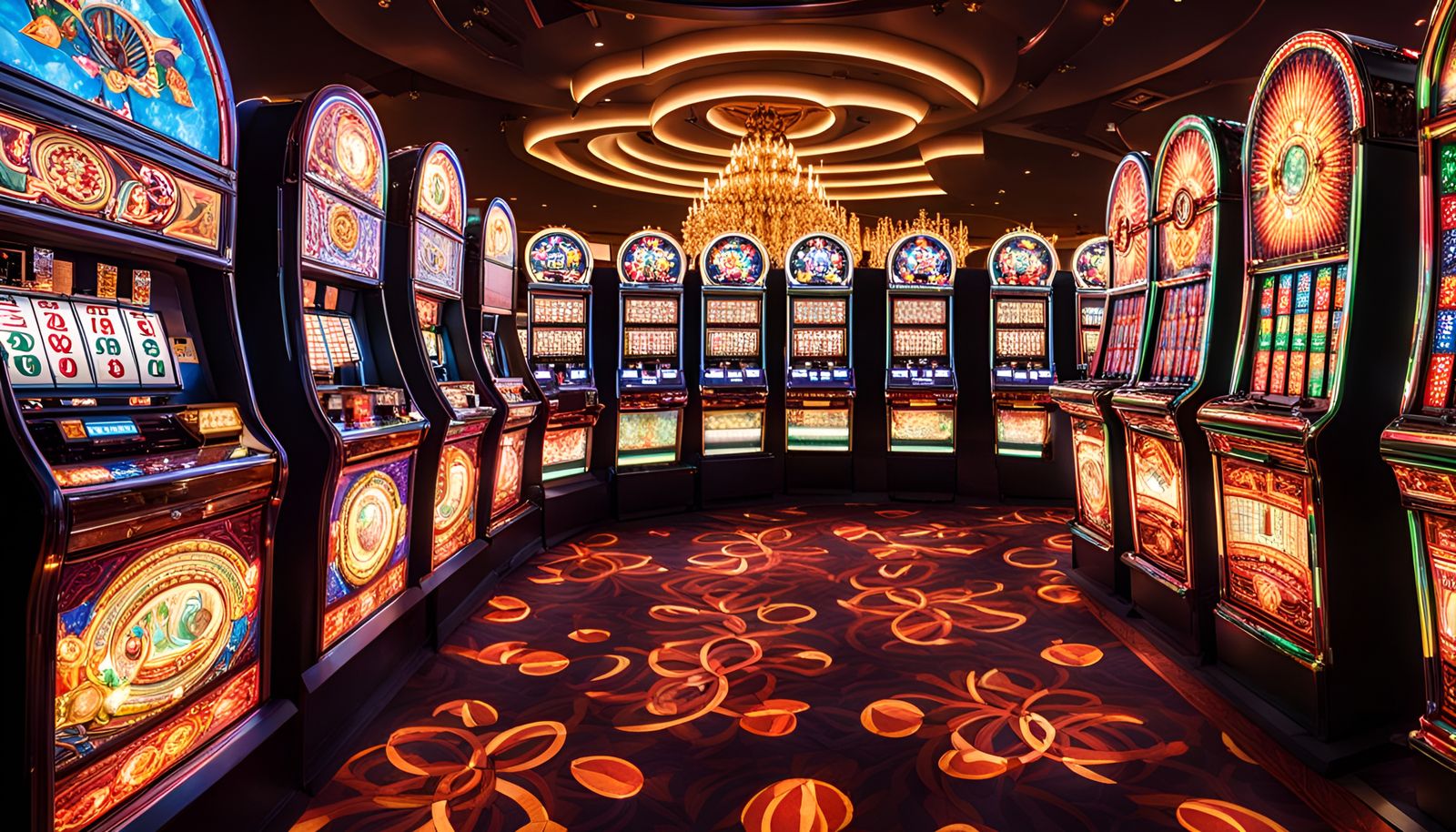
One important note: risk itself is pleasurable to a degree, but when merged with rewarding design, it becomes unusually sticky for many users.
Tables Showing Risk Insights
To better understand player behavior, we can look at structured observations. The tables below illustrate how players interact psychologically with risk during gambling.
| Trigger | Psychological Response | Outcome |
|---|---|---|
| Near Win | Heightened anticipation | Extended playtime |
| Small Bonus | Dopamine spike | Increased engagement |
| Loss Streak | Frustration & Determination | Chasing behavior |
| Risk Profile | Player Type | Behavior Pattern |
|---|---|---|
| High | Thrill Seekers | Prefer high volatility slots |
| Moderate | Strategic Gamblers | Mix of safe & bold bets |
| Low | Cautious Players | Engage with free spins, bonuses |
| Platform Element | Risk Encouragement | Tooltip Explanation |
|---|---|---|
| Instant Payments | Reduces hesitation | true |
| Live Dealer | Increased immersion | Replicates social engagement |
| Bonus Promotions | Perceived low-risk entry | Draws new participants |
Player Experiences And Subtleties
For some individuals, risk-taking at casinos is liberating, a break from structured lives. For others, it is an occasional indulgence. Personally, I have seen friends hover over the slot wheel for an extra minute, convincing themselves that waiting might bring better luck. It shows how psychology plays tricks on even the most logical minds.
The paradox is evident: people know the odds are unfavorable, yet the excitement of risk, the social layer, and the design of the platforms keep them participating. It is not just about money or winnings; it is about feeling alive in that uncertain moment.
- Risk often feels different in games than in real life responsibilities.
- This creates a “safe bubble” where players can engage without lasting damage, at least in perception.
Infobox: Risk is not purely negative. In moderate leisure settings, such as casinos, controlled risk-taking provides stimulation, enhances focus, and even boosts social bonding.

Maybe that is what makes the psychology of leisure risk-taking so endlessly fascinating: it is a blend of science, design, emotion, and chance, all wrapped up in an environment that feels safe but isn’t entirely predictable.